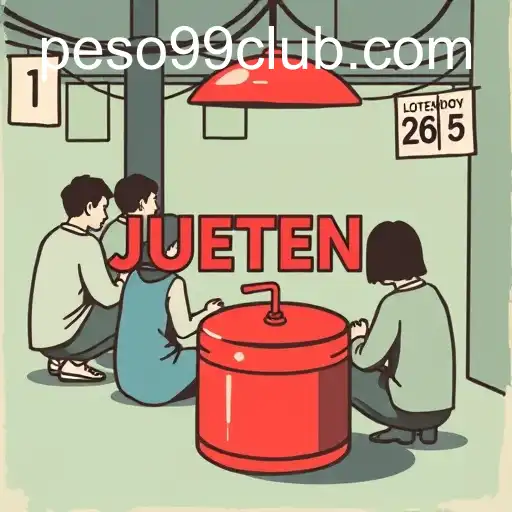
Understanding Jueteng: The Notorious Numbers Game
In various parts of the Philippines, jueteng has been a persistent and controversial issue. This illegal numbers game has deeply rooted itself in the socio-political landscape of the country. Jueteng not only affects the economy but also impacts politics, drawing significant attention from authorities and citizens alike. Amid these complexities, it's vital to understand what jueteng involves, who participates in it, and why it continues to flourish.
The Mechanics of Jueteng
Jueteng is a form of illegal lottery drawing its name from the Tagalog words ''huweteng'', which means ''flower'', and ''loteng'', translating to ''three''. The game involves picking number combinations ranging from one to 37. Residents place small bets on chosen numbers in hopes of multiplying their wagers. The digits' selection process depends largely on voluntarismo, an informal understanding among the game's stakeholders, and the instigator of small-town hope and ambition.
Betting on jueteng is straightforward. Bettors select combinations usually based on superstitions, dreams, or significant numbers. Each day, the tambiolo, a cylindrical contraption, is spun, and a draw results in two numbers. Winning numbers claim a substantial payout: typically 400 to 450 times the bet.
Jueteng's Socioeconomic Impact
Jueteng's ability to sustain itself is closely linked with poverty and unemployment. It offers a glimpse of financial relief, however fleeting, to those willing to risk their hard-earned money. For a minimal bet, participants have the chance to secure financial windfalls. Given the scarce job opportunities and insufficient government subsidy, jueteng often appears to many impoverished Filipinos as a pragmatic option to augment their limited income.
Moreover, jueteng has profound implications on local economies. The game generates substantial revenue for operators and protectors. Estimates suggest significant amounts of daily proceeds, indicating the large sums exchanged hands, and influencing the underground economy. Street operators, known as cobradores or kubradores, distribute their earnings along chains to protectors and financiers, making this trade even more intricate.
The Political Intricacies of Jueteng
Jueteng is more than just an illicit numbers game; it's a significant force in political schemes. Its central nexus involves local political figures who either turn a blind eye or directly benefit from this trade. By accepting bribes or ''protection money'', politicians ensure their electoral support or alternatively choose to amass wealth, emboldening jueteng's presence in communities.
Historically, jueteng scandals have implicated even national figures. These revelations have fueled public outrage, exposing corruption veins extending from barangay officials up to powerful politicians. Hence, it's clear that jueteng plays into political patronage, preventing genuine reforms from taking root due to its lucrative nature.
Government Responses to Jueteng
- Despite its illegal status, legal measures have struggled to curb jueteng's proliferation across the regions. Sporadic crackdowns highlight law enforcement challenges and the complexities surrounding stringent regulation. Authorities often lack adequate resources, and corruption within their ranks hinders sustained efforts.
- Several initiatives aimed at converting the illegal operation into a regulated enterprise have been discussed but not realized. Legalizing jueteng could ostensibly provide a regulated platform for lottery-like gambling, similar to other regulated gaming in the Philippines. However, transitioning into legality involves extensive debates on morality, governmental control, and the socio-economic costs juxtaposed against potential revenues.
The Role of Community and Culture
Jueteng's resilience is deeply rooted in cultural narratives and communitarian bonds. The game is often woven into the cultural fabric, providing socialization avenues for many individuals. The interactions among players, operators, and collectors create a communal spirit, reinforcing traditional models of community cooperation and support, albeit through an illegal venue.
The game reflects traditional beliefs and superstitions, influencing number selections based on interpreted dreams and omens. Local folklore and familial traditions influence betting choices, making jueteng a culturally resonant activity.
Technological Advancements and Future Trends
Despite jueteng's entrenched nature, the future may see shifts driven by technology. The proliferation of digital platforms poses new dilemmas and opportunities for traditional gambling forms. While technology may threaten physical game models, it simultaneously presents emerging markets and interactive platforms to harness jueteng's popularity under different, potentially legalized guises.
Efforts could catalyze digital transformation, presenting significant challenges regarding regulation, digital rights, and financial transparency. Balancing these aspects could redefine gambling standards and formally bring jueteng within the ambit of taxation and formal oversight.
In conclusion, jueteng remains an emblematic issue, reflecting broader themes of economic disparity, cultural tradition, political entanglement, and regulatory challenges. Understanding its dynamics involves delving into its socioeconomic base and the multifaceted resistance against its eradication. As the country progresses and considers technological integration and gambling reforms, jueteng persists as a quandary, demanding nuanced approaches and strategic policymaking initiatives.